NATO's top commander: the U.S. will provide "critical but more limited capabilities" as Denmark warns of a growing risk of Russian attack.
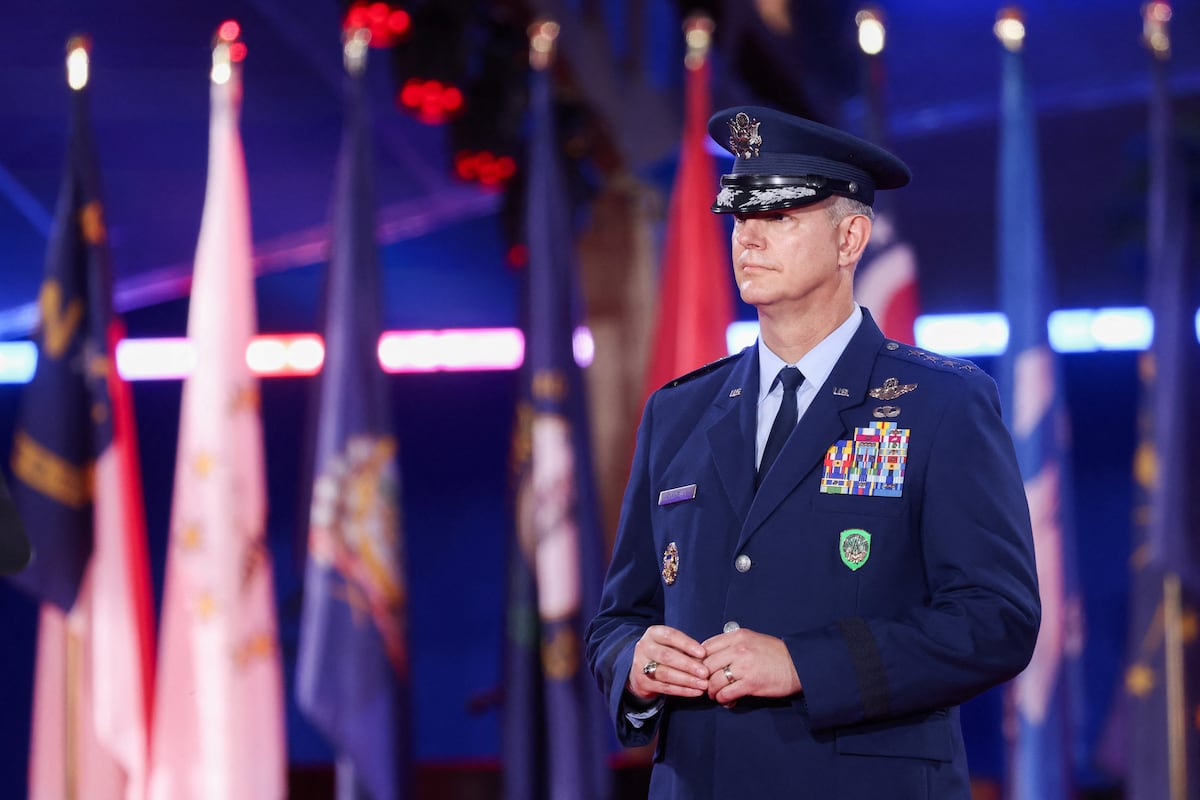
Here is the situation as of Thursday. NATO's Supreme Allied Commander Europe, U.S. Air Force Gen. Alexus Grynkewich, told Reuters that the United States will continue to provide "critical but more limited capabilities" to the alliance as Europeans take up a greater role, Defense News reports. About 80,000 U.S. troops are based on the continent, and he said there is "no predetermined outcome" on how many will stay. He spoke on his way to a change-of-command ceremony at NATO's headquarters in Norfolk, Virginia, where a British army general is taking over from a U.S. Navy vice admiral. The backdrop is not calm. Denmark's defense intelligence service warned that Russia is likely to intensify its hybrid war against the West and saw "a low but growing risk" of a limited Russian attack on one or several NATO countries that border Russia. "It's concerning," Grynkewich said of recent incidents, including an attempted drone attack at Germany's Leipzig/Halle Airport and a Russian ship firing flares toward a Danish military helicopter. Asked whether Vladimir Putin might test NATO while U.S. stocks of long-range precision missiles are depleted by the Iran war, he answered: "Absolutely not. He better not try it on my watch." Moscow denies any role in sabotage. Assessment: burden-sharing arguments are as old as the alliance, founded in 1949, and a larger European role is overdue. But the handoff has to move faster than the threat. Deterrence is the capability an adversary believes you have today, not a plan for next year.
Read the original article ↗JOIN THE PORCH SQUARE
Pull up a chair. Be the first to sound off.