Starting Oct. 1, Maryland grocery prices must hold for at least a business day, and stores can't refuse cash for essentials under $300.
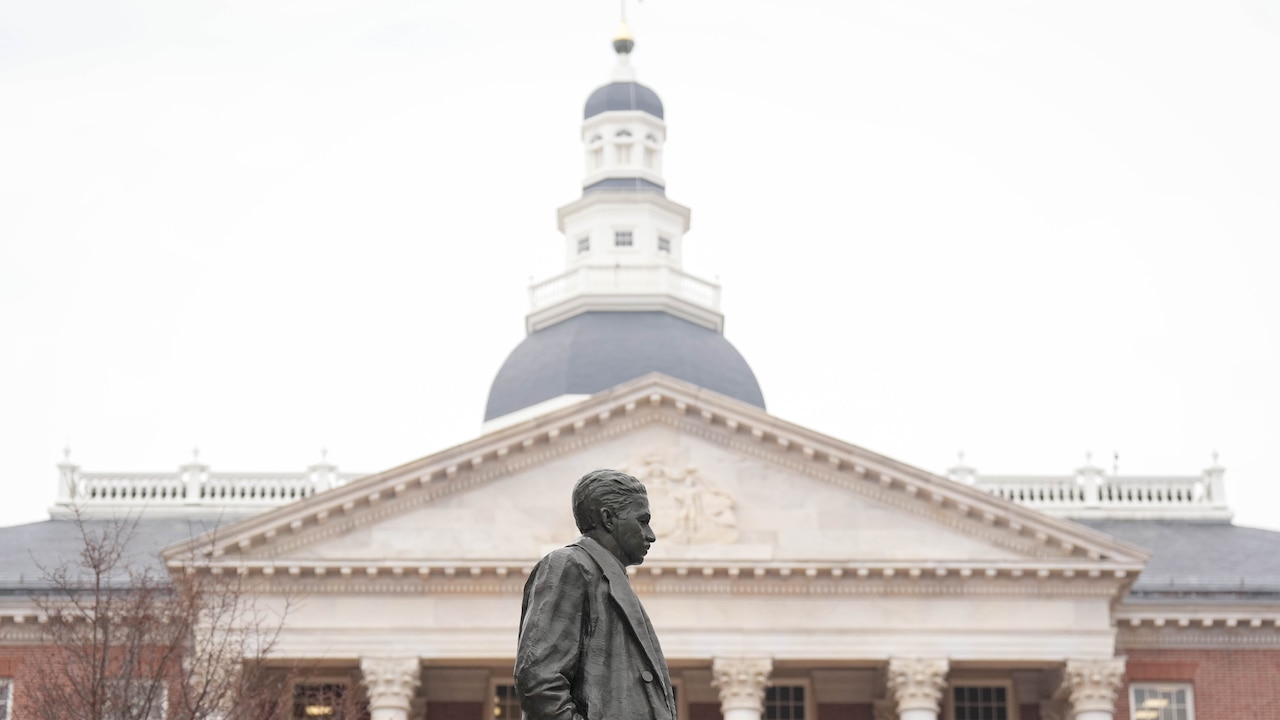
Hundreds of bills passed by Maryland lawmakers earlier this year become law on Oct. 1, The Banner reports, and several reach right into the checkout line. Under the Predatory Pricing Act, a push led by Gov. Wes Moore, grocery stores face limits on dynamic pricing, the electronic labels that let retailers adjust prices in real time. Retailers must keep prices the same for at least one business day, and they can't use personal data to set individualized grocery prices. A separate law bars businesses from refusing cash for purchases of certain essential goods under $300 between 6 a.m. and 10 p.m. Essentials include food, beverages, personal hygiene products, health products and gas. Merchants get two opportunities to comply; after that, the Office of the Attorney General can issue a $500 fine per violation, then $1,000. Other laws taking effect: law enforcement officers working in the state, including ICE agents, may not use face coverings or masks, and officers who don't comply face a civil penalty of up to $1,500. The State Highway Administration will add speed cameras in safety corridors and high-risk areas for pedestrians and cyclists, with fines from $40 to $425. On Oct. 1, the State Police begin reviewing which pistols count as "machine gun convertible," including popular Glock handguns; their sale or purchase becomes illegal Jan. 1, though current owners won't have to give them up. Temporary protective orders for domestic abuse victims can now last up to 14 days, up from seven. Why it matters at home: if you shop in Maryland, the price on the shelf should hold for at least a business day, and a store can't turn away your cash for groceries or gas during those hours. If one does, write down the store, the date and the time, and report it to the Attorney General's office.
Read the original article ↗JOIN THE PORCH SQUARE
Pull up a chair. Be the first to sound off.