Dispatch: a 551-million-year-old comb-jelly relative turns up in Newfoundland rock. It may help answer which animal came first. Over.
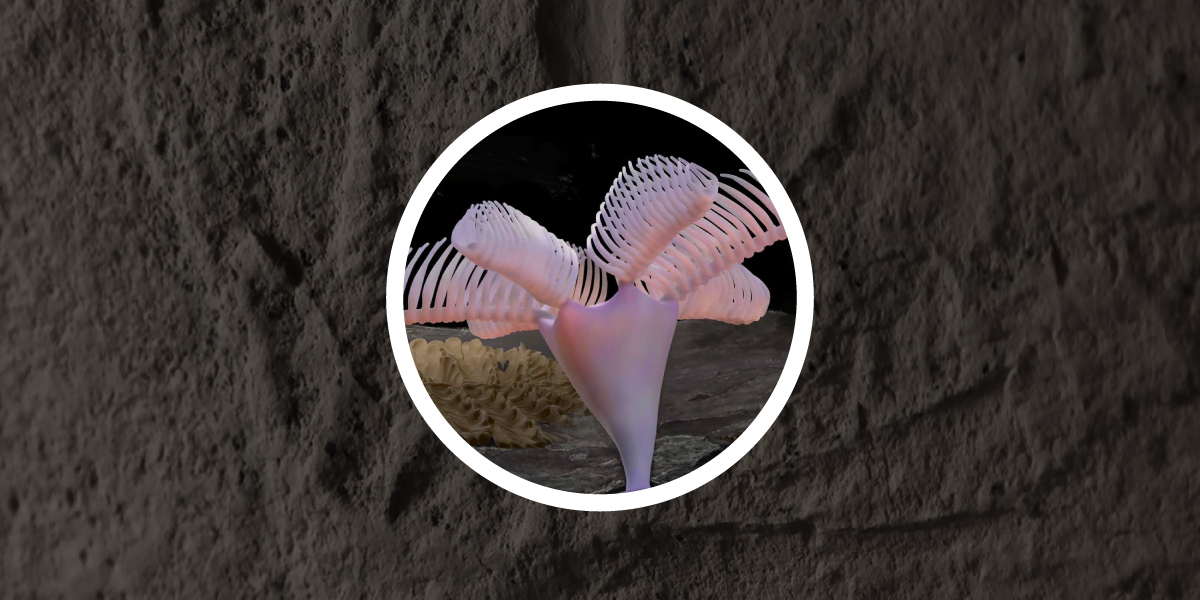
Dispatch, we have a 551-million-year-old animal out of the rocks of Newfoundland, and it may have a say in one of biology's longest-running arguments. Memorial University's Gazette reports that graduate student Heléna Muirhead-Hunt found a new fossil species in Ediacaran-aged rock at the Inner Meadow site in Upper Island Cove, N.L. Described in the journal Frontiers in Ecology and Evolution, it's a stem-ctenophore, an ancient relative of today's comb-jellies, the centimetre-sized blobs of jelly with comb-rows that shimmer in waves of rainbow colours when they swim. Scientists have puzzled over the earliest animal ancestor since Darwin's time, and lately the fight is over what came first, the sponge or the ctenophore. The ctenophore camp was missing an Ediacaran fossil. "We think we might have filled that 20-million-year gap in the ctenophore fossil record," Muirhead-Hunt said. Her supervisor, Dr. Duncan McIlroy, admitted he "never even considered that we might find a ctenophore." The name is Edrathina obditchia, built from the Beothuk words for comb and beast, which she called a fitting tribute to "the culturally extinct Beothuk people of Newfoundland." So a soft little jelly waited more than half a billion years in stone to weigh in on a family argument about who came first. That's patience. Hard to argue with patience. Over.
Read the original article ↗JOIN THE PORCH SQUARE
Pull up a chair. Be the first to sound off.